CAREER OPTIONS
Showing posts with label Arts. Show all posts

Thursday, 23 March 2017

Photojournalism


Photojournalism
Introduction:

Journalism specialisations like sports, film and television, photo, print etc. 'Photojournalism' was restricted to still photography, but its scope has now widened and photo journalists even shoot videos to come up with a good news item/ feature. A journalist can write about an event or news, as elaborately or in a highly emotional manner as possible, but if it is accompanied by a photograph the subject matter is much communicable to the readers or viewers than a news without images. That explains the worth of photographs in news reporting. 

Nature of Work:

Journalism  in other words, it is the practice of creating images in order to tell a news story. It includes collecting, editing and presenting of news material (pictures) for publication or broadcast to the news media like newspapers, magazines, television channels, websites and other journals. At times, a single photograph can convey a news story of thousand words. It is the skill of the photojournalist to take photos with such impact. Course in photojournalism covers reporting and drawing, camera operation and lighting, digital imaging, video capture, computer based image processing etc.

Personality:

Main attribute required for a candidate interested in this field is photography and editorial skills. Aspirants in this field also need a keen eye for aesthetic detail, and a thorough knowledge of cameras and the technicalities involved in taking pictures, of light, distance and perspective. One must have extra qualities like an interest in visuals, an attentiveness to colour, shape and shadow. Apart from these, candidates require creativity, good power of observation and a curious and perceptive mind.

Professional Courses:

Minimum eligibility for Bachelor degree in Journalism or mass media is 10+2, and for Post graduate degree courses is a Bachelor degree in journalism. 

Duration:

10+2+Post Graduate  +1 year

Eligibility:

10+2

Career Prospects /Companies:

Photojournalist are hired mainly by newspapers, magazines or any other media houses. Many newspapers and magazines have built their reputation with the help of excellent photographs taken by these photojournalists. Photojournalists are also hired by businesses or individuals to take photos for an event or advertisement. They also get chances to work for television stations or websites in staff or freelance positions.
They have another option to work as freelance photojournalists and do work for several companies at a time. Yet another group start their own photography and photo editing/graphic design business on the web to gain potential clients and display their skills. Some photojournalists after advancement in their career, start their own print or online publication.

Remuneration:


Salary of photojournalist depends on the employer and position held by him/her. Generally, at the beginning of the career a photojournalist can earn around Rs.12,000 - 15,000 per month. Experienced ones can easily earn between Rs.25,000 and Rs.30,000 per month.

Photography

Photography

Introduction:

Photography is a unique and creative medium of self-expression. It is an art form requiring aesthetic sense as well as technical expertise. A hobby that can be made profitable by going professional by the talented. Photos are an essential part in both print and electronic media. So this is an area offering great scope for those who have an interest and attributes needed to be a professional. 

Nature of Work:

However training hones the inherent skills and help to shine in this competitive field with various specializations like portraiture, fashion and advertising photography, journalistic photography, wildlife and outdoors photography etc.

Personality:

Creating a commercial quality photograph requires the skill for choosing and presenting a subject in a way to achieve the maximum effect with the appropriate equipment.
Photography basically requires a keen, observant eye, and an intelligent, curious and perceptive mind. A photographer must have full knowledge and command over the variety of cameras, lights and props, and all kinds of photographic techniques. They should have a sense of light and shade and the magic of colours.  Photographer must have creativity, determination and good powers of observation. They must also have the ability to work quickly under pressure, in difficult conditions and irregular hours.

Professional Courses:

Candidates who have cleared the 10+2 exam are eligible for the diploma/certificate courses in photography. 

Duration:
2 Years
   
Eligibility:
Besides the Certificate and Diploma courses in the field, Photography is also offered as an optional subject for a bachelor's degree in Fine arts. Some institutes offer full fledged B.A courses in photography of three year duration.
Besides the academic requirements, having a background in computers or electronics, related work experience and training is beneficial for making a break in the field.

Career Prospects /Companies:

One can begin your career as an assistant of a senior or professional photographer, so that he/she can grasp the finer points of photography. Photographers can specialize in areas such as portrait, commercial and industrial, advertising, scientific, fashion, news, wildlife photography etc. They have the option to either take up jobs with news papers, magazines, advertising agencies, government agencies, industrial houses or work as free lancers. The government employs photographers on a regular pay scale to do general photography documentation, for covering day-to-day events and functions and for making photo features and captioning. Fashion photographers can find employment with fashion houses, designers, fashion journals and news papers.There are different fields of Photography , Press photographers, Feature photography, Editorial Photographers , Commercial/ Industrial photographer, Portrait / wedding photographers, Advertising photographs, Digital photography, Nature and Wildlife Photography , Forensic Photography, Freelancing  

Remuneration:
Photographers, in which capacity they are paid around Rs. 3,500 - 6,000. Your earnings can go up to 25,000, depending upon the designation and the organisation likewise and 
Your earnings can go up to 25,000, depending upon the designation and the organisation likewise and maybe more once you have established yourself as a freelancer.


Pet Grooming

Pet Grooming


Introduction:

Pet grooming is an interesting and rewarding career field for those who have fondness for animals. People who specialize in grooming or maintaining a pets appearance are called pet groomers. Pet groomers are the beauticians of the animal world. In other words, pet groomer is an individual who works with animals and enhances their hygiene and appearance using a variety of grooming techniques. Becoming a pet groomer allows you to work with animals, and provide valuable service to pet owners.

Nature of Work:

You need to be familiar with all breeds of dogs and cats, you need to be an expert on everything from nail clipping to brushing to shampooing to trimming. Pet groomers bathe, trim, style, shape, brush and comb animals coats to make them look good and help them stay healthy. They also clip nails, clean ears, and examine animals for fleas, ticks and other health problems.  

Personality:

You must have love for pets. Dogs cats etc. Also you should have patience and familiar with different instruments for grooming

Professional Courses:

Veterinarians

Duration:

4 years After 12 Std
  
Eligibility:

12 std passed

Career Prospects /Companies:

Pet groomers can work independent or with others as employee of a grooming salon. Grooming pets for shows and competitions is an area where professionals can explore. Groomers after gaining experience can take up supervisory or managerial positions in large retail establishments or kennels. There is also the option to start a mobile pet spa business by attending home calls or providing door to door pet grooming service. Some could move into lecturing or training in animal grooming, or start their own pet grooming school.

Remuneration:

Self-employed dog groomers usually charge set or negotiated fees per hour or appointment. The charge may vary according to the size/breed of the animal being groomed and the work that is involved. Anyhow one can expect minimum starting salary of Rs 10,000 per month up to Rs 25,000 if you gather a strong client base. You can make more earnings owning your own business.

Paleontology


Paleontology

Introduction:

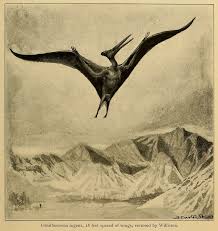
Paleontology is the study of history of life on Earth, with the help of fossils. Paleontology is not the study. of entire species of living things on earth with the help of fossils. 
Paleontologists are scientists. investigate past life on earth or prehistoric life. The duties and responsibilities of a paleontologist vary depending on the field of work and the setting.

Nature of Work:

Study fossils of animals with backbones are called vertebrate paleontologists. Paleontologists who study of fossils of animals without backbones are known as Invertebrate Paleontologists. Microfossils are tiny fossils, either plants or animals, which can be seen only with a microscope- Micro paleontologists

Personality:

Paleontology is a difficult job that requires lot of outdoor work for locating and excavating fossils, an aspirant must have patients. Paleontologist must have high curiosity level and great imagination.

Professional Courses:

Duration: 
2 to 3 years

Eligibility:
Paleontology require a master's degree in geology or earth science.

Career Prospects /Companies:
Paleontology. Careers that you may wish to pursue in paleontology range from curators or other museum personnel within the field, nature or environmental conservationists, geological surveyors within an industry such as mining or the petroleum industry, professional consultancy work or teaching.

Remuneration:

Between 15000/- to 25000/- per month

Thursday, 16 March 2017

Foreign Language


Foreign Language

Introduction:

Languages are the essence of communication and with Indian companies emerging as global players, it is the need of the hour to be well equipped to be able to be at par with the multinational and international players. It is the need of the moment to be able to break the language barrier and be able to facilitate a smooth conversation in order to let proper business connections flow. On being able to learn a language and have acquired fluency in the same, the person can think of becoming foreign language specialists, interpreters, and translators. There are different fields where one can join after pursuing a language course is entertainment, tourism, public relation, international organizations and publishing houses etc.

The future of learning of foreign languages is at present at an all-time high with newer avenues opening up each day. When we talk of learning languages from a career point of view then it is expected of the person to be able to learn the of new languages fluently and be able to speak the language as well as write it. The study of languages at this level includes learning of communication skills, grammatical structure and being able to comprehend the writing, speaking, listening and reading part of the language.

Nature of work: 

  • Conduct research in a particular field of knowledge, and publish findings in scholarly journals, books, and/or electronic media. 
  • Collaborate with colleagues to address teaching and research issues. 
  • Serve on academic or administrative committees that deal with institutional policies, departmental matters, and academic issues. 
  • Participate in student recruitment, registration, and placement activities. 
  • Compile bibliographies of specialized materials for outside reading assignments. 
  • Participate in campus and community events. 
  • Act as advisers to student organizations. 
  • Perform administrative duties such as serving as department head. 
  • Supervise undergraduate and/or graduate teaching, internship, and research work.

Personality:

They have to be perfect in the following skill:

  • Linguist
  • Interpretation 
  • Translation 
  • Teaching

Professional courses, Duration and Eligibility Criteria:

Eligibility In order to pursue a Bachelor’s degree in any foreign language the candidate must have cleared the higher secondary school certificate or 10+2 from a recognized board. The duration of the bachelor’s course is mostly three years. In order to pursue a Master’s degree in any foreign language, the candidates need to have completed his/ her graduation in a relevant stream (Same language). Usually, the duration of the course is two years.

Career prospects:

The learning of a new language can open quite a number of doors for the person. One can think of applying for the job of a teacher, freelancer, and interpreter or as a translator. Academic qualification and proficiency in a foreign language can open the gates for career in sectors such as tourism, embassies, diplomatic service, entertainment, public relations and mass communication, international organizations, publishing, interpretation and translation, etc. Also there a number of multinational corporate bodies require are in a constant need of candidates who possess excellent language skills in foreign languages.There is also the option of becoming an online content writer, technical translator or decoder. There are organizations like the United Nations Organization (UNO), Food and Agriculture Organization (FAO) and various Indian national organizations such as Ministry of External Affairs, Reserve Bank of India (RBI), etc. who are in constant need of professionals who specialize in foreign languages.On becoming a translators there is an option of working as a scientific literary, technical or business. Research firms, translation bureaus, publishing houses, international organizations, hotel industry, travel and tourism sector and many more also required professional with good foreign language skills.

Remuneration: 
Early on in the career, a person can expect to be paid somewhere between Rs. 10,000 to 15,000. Also, foreign language experts can think of working with embassies can receive a similar pay to that of a fresher. Translators are paid between Rs 50 to 100 per page. Interpreters generally earn around Rs 300 to 500 per hour.

Graphics Designing


Graphics Designing


Introduction: 

Art has merged with science and this fantastic relationship has produced tremendous scope in graphic designing as a form of applied art. Pictures are the most effective means of communication and graphic design implies this wonderfully well. It’s the process of visual communication which combines words, images, and ideas to present the information to the audience. The graphic designer is a specialist in solving the problems associated with visual communication. The qualified graphic designers have the skills in Drawing, Layout, Typography, Lettering, Diagramming and Photography. They develop the layout and production design of newspapers, magazines, corporate reports, journals and other publications. They also create the promotional displays; marketing brochures for services and products, packaging, design distinctive logos for businesses and products. Due to the tremendous growth of the media industry and excellent employment options available, many people are opting for Graphic Design courses in India.

Nature of work: 


  • Meet with clients or the art director to determine the scope of a project 
  • Use digital illustration, photo-editing software, and layout software to create designs 
  • Create visual elements such as logos, original images, and illustrations that help deliver the desired message 
  • Design layouts and select colors, images, and typefaces to use 
  • Present design concepts to clients or art directors 
  • Incorporate changes recommended by clients or art directors into final designs
  • Review designs for errors before printing or publishing them


Graphic designers combine art and technology to communicate ideas through images and the layout of websites and printed pages. They may use a variety of design elements to achieve artistic or decorative effects. Graphic designers work with both text and images. They often select the type, font, size, color, and line length of headlines, headings, and text. Graphic designers also decide how images and text will go together on a print or web page, including how much space each will have. When using text in layouts, graphic designers collaborate closely with writers who choose the words and decide whether the words will be put into paragraphs, lists, or tables. Through the use of images, text, and color, graphic designers can transform statistical data into visual graphics and diagrams, which can make complex ideas more accessible. Graphic design is important to marketing and selling products and is a critical component of brochures and logos. Therefore, graphic designers, also referred to as graphic artists or communication designers, often work closely with people in advertising and promotions, public relations, and marketing. Frequently, designers specialize in a particular category or type of client. For example, some create the graphics used on retail products packaging, still, others may work on the visual designs used on book jackets. Graphic designers need to keep up to date with the latest software and computer technologies to remain competitive.

Late nights are inevitable due to the very nature of work. This can lead to stress but most careers today are stressful. Do the right things, though – eat right, indulge in yoga and take power naps whenever you can.

Personality: 

Analytical skills: 
Graphic designers must be able to look at their work from the point of view of their consumers and examine how the designs they develop will be perceived by consumers to ensure they convey the client’s desired message. 

Artistic ability: 
Graphic designers must be able to create designs that are artistically interesting and appealing to clients and consumers. They produce rough illustrations of design ideas, either by hand sketching or by using computer programs.

Communication skills: 
Graphic designers must communicate with clients, customers, and other designers to ensure that their designs accurately reflect the desired message and effectively express information. 

Computer skills:
Most graphic designers use specialized graphic design software to prepare their designs.

Creativity:
Graphic designers must be able to think of new approaches to communicating ideas to consumers. They develop unique designs that convey a recognizable meaning on behalf of their clients. 

Time-management skills:
Graphic designers often work on multiple projects at the same time, each with a different deadline.


Professional courses, Duration and Eligibility Criteria:

Various Graphics Designing Courses offered in India

  • B.A (Hons) Graphic Design (Visual Communication, Interaction Design) - 3-Years
  • Advanced Certification in Audio Video Post-Production
  • Advanced Certification in Graphic Design & Prepress
  • Advanced Certification in Web Design & Interactive Multimedia
  • Advanced Diploma in Graphic Design & Web Design - 15-Months
  • BA Animation & Graphic Design - 3-Year
  • Bachelor of Design (Graphic Design) - 36-Months
  • Certificate in Graphic Design - 6-Months
  • Diploma in Graphic Design - 6-Months
  • Diploma in Graphic Designing (For Print Media& TV Channels)- 1-Year
  • Diploma In Graphic Designing, Web Designing, and Animation- 1-Year
  • Diploma in Visual Communication
  • Diploma in Web and Graphic Design - 1-Year
  • Diploma in Web Designing / Graphic Designing / 3D VFX / 2D & 3 D
  • FCP
  • Fine Art and Graphic Design course - 1-Years
  • Graduate Diploma in Advertising, Media & Graphic Designing (GDAGD), 1-Year
  • Graphic and Web Design, 12-Months
  • Graphic Design, 6-Months
  • PG Diploma in Digital Animation & Graphic Design - 1-Year
  • PHP
  • Post Graduate Diploma Programme in Graphic Design
  • Undergraduate Level - Advertising and Graphic Design, 3-Year
  • Web And Graphic Design - 3-Months


Eligibility Criteria for Graphics Designing Course:
As to become a professional in the field of graphic designing, the aspirants need to have specialized training. The basic qualification that is needed by a person to follow this path is a pass in class 12. Those who have finished their education in the Bachelor of Fine Arts program are eligible to join the course too. The main aim of these courses is to impart students with knowledge on graphic designing and by that enhance their artistic talent.

Entrance Exams:


  • NID entrance exam
  • CEED Entrance exam
  • MIT Entrance exam
  • Symbiosis Institute of Design [SID] entrance exam
  • All India Examination(Design Institute of India)

Career Prospects: 

Creativity is as uncommon as common sense. Being a skilled creative professional, you will always be looked upon as a prized possession and the only way your career can go is upwards. From a junior visualize you can climb the corporate ladder to be a Creative/Art director in a short time frame. Keeping the increasing trend of the field of entertainment, video gaming, TV etc. We can happily conclude that the profession of a Graphic Designer can mint a fabulous career.

Remuneration: 

As per industry standards, the monthly salary of a graphic designer initially could go up to Rs 15,000-20,000. With experience and a superior publishing company, you might get about 40,000 a month. As you keep climbing the ladder you will see a lot of opportunity coming your way other than your regular job, from which you can make a lot of money.

Tuesday, 14 March 2017

Fashion Choreography

Fashion Choreography


Introduction:

Fashion choreographers (or catwalk choreographers) play a crucial role in the cadence, theme, feel and design of fashion runway shows. It is the role of the fashion choreographer to teach the models how to walk to best display the clothing. Sometimes, models will have to wear long dresses, very high heels or heavy, elaborate accessories, all of which can make walking gracefully difficult. Fashion choreographers will coach the models on how to best walk for the particular collection. A successful fashion choreographer can teach models to display the collection confidently and gracefully without being distracting or too theatrical. Eligibility Criteria: The minimum eligibility criterion to pursue a career in Fashion Choreography is the successful completion of 10+2 in any discipline. The basic requirement to be in this field is creative talent. There are no such specific courses to enter this field. One can make a start in this field by assisting a choreographer who is already established in the industry. However if you're interested in a career in fashion choreography, a bachelor's or master's degree in Fashion is likely to be very helpful. Personality: The fashion industry is exploding and everyone, it seems, is vying for a part in the action. To get ahead in the business and sit with the ranks of Ralph Lauren and Calvin Klein, you as an aspiring designer should have some of the same qualities as the world’s top designers. Here are some of the qualities you'll need to succeed as a designer:
  1. Strong Business Sense A great fashion designer has excellent business skills. You understand budgets, marketing, and sales concepts that are vital to getting designs produced and sold.
  2. Good Communication A number of people are involved in the creation of a garment, and as designer, you must be able to effectively communicate to everyone involved what he or she expects.
  3. Sense of Competition You continually strive to do better than your peers to come up with quality innovative designs quickly.
  4. Highly Creative You have a great sense of style and are constantly coming up with new ideas for fashions.
  5. Strong Drawing Skills Excellent drawing skills mean you can easily sketch your ideas onto paper to start the production process.
  6. Good Eye for Materials You have an eye for the materials of a garment, as well as the elements that make it unique, such as color and fabric.
  7. Strong Sewing Skills You can construct the garments you design. You understand what materials work best in the designs you are developing.
  8. Team Player Great fashion designers work well as part of a team. Designing a garment for production involves the work of many, from pattern making to sewing to shipping. As designer, you must be able to work well with all involved.
  9. Knowledgeable of Current Fashion Trends You follows trends and have a good eye for anticipating what your audience will respond to next.
  10. Strong Visualization Abilities Good fashion designers can visualize a garment before ever putting an idea on paper. You can see the finished product well before production and can put your ideas into words and onto paper so others can grasp the idea as well.

Remuneration:
Starting as a Fashion Choreographer is a bit difficult, your work and your words are not taken seriously. The pay is not very attractive in the starting of your career. You can get somewhere around 5000 INR per assignment, working as an assistant to a professional choreographer. Monthly remuneration entirely depends on the number of shows you have choreographed. However as your name gets reputation and fame, you can charge hefty amounts from the designers, stylists and show organizers, afterall it is the Fashion Choreographer who is the director of the show. Designers are very keen to hire talented and creative, one who can think out of the box, choreographers for their shows and events because they are aware of the fact that a choreographer is mandatory to make a show successful by making it aesthetically prim and proper. Once you gain popularity, you can be a choreographer for a particular celebrity icon, which can in turn, pay you in lacs per assignment.

Duration: 
Courses Available Eligibility Duration Diploma in Fashion Designing 10+2 (min 50%) 3 yrs Certificate in Production Technology 10+2 1 yr Diploma in Accessory Design 10+2 (min 50%) 3 yrs Diploma in Garment Manufacturing Technology Graduation 2 yrs

Sunday, 11 September 2016

Fashion Designer


Fashion Designer

Introduction: 

Fashion design is the art of application of design and aesthetics or natural beauty to clothing and accessories. Fashion design is influenced by cultural and social attitudes, and has varied over time and place. Fashion designers work in a number of ways in designing clothing and accessories such as bracelets and necklace. Because of the time required to bring a garment onto the market, designers must at times anticipate changes to consumer tastes. 

Nature of Work: 

Duties of Fashion Designers
Fashion designers typically do the following: 
  •  Study fashion trends and anticipate designs that will appeal to consumers 
  •  Decide on a theme for a collection 
  •  Use computer-aided design (CAD) programs to create designs 
  •  Visit manufacturers or trade shows to get samples of fabric 
  •  Select fabrics, embellishments, colors, or a style for each garment or accessory 
  •  Work with other designers or team members to create prototype designs 
  •  Preset design ideas to the creative director or showcase them in fashion or trade shows  Market designs to clothing retailers or directly to consumers 
  •  Oversee the final production of their designs 
Personality: 
Important Qualities for Fashion Designers 
Artistic ability: Fashion designers sketch their initial design ideas, which are used later to create prototypes. Designers must be able to express their vision for the design through illustration. Communication skills: Fashion designers often work in teams throughout the design process and therefore must be effective in communicating with their team members. For example, they may need to give instructions to sewers regarding how a garment should be constructed. 
Computer skills: Fashion designers use technology to design. They must be able to use computer-aided design (CAD) programs and be familiar with graphics editing software.
Creativity: Fashion designers work with a variety of fabrics, shapes, and colors. Their ideas must be unique, functional, and stylish. 
Decision making skills: Because they often work in teams, fashion designers are exposed to many ideas. They must be able to decide which ideas to incorporate into their designs. Detail oriented: Fashion designers must have a good eye for small differences in color and other details that can make a design successful.

Courses, Duration and Eligibility Criteria:
Eligibility Criteria for Different Courses of Fashion Designing 
1. Post Graduate Course in Fashion Communication
  •   Eligibility: Graduation 
  •  Duration: 2 years 

2. Certificate Course in Fashion Art &Design (Specifically for the people who want to be the journalist or textile designer in fashion industry) 
  •  Eligibility: 10+2  
  • Duration: 4 months 3. 
3. Certificate Program in Fabric Styling & Production Technology (FSPT)
  •  Eligibility: Graduation 
4. Certificate Program in Fashion Design and Clothing Technology
  •  Eligibility: 10+2 
  •  Duration: 1 year 
5. Computer Applications in Fashion Industry
  •  Eligibility: 10+2 and Fashion Education 
  •  Duration: 1 year 
6. Program in Fashion Design Technology
  •  Eligibility: 10+2
  •  Duration: 2 years 
7. Certificate Program in Fashion Journalism & Fashion Presentation
  •  Eligibility: Graduation 
8. Computer Aided Textile Designing
  •  Eligibility: 10+2 
  •  Duration: 1 year 
Remuneration: 
For an entry level position, you can expect a starting salary of 10,000 INR-15,000 INR. After you gain sufficient experience in your area of expertise, you can look forward to a salary of 35,000 INR to 40,000 INR every month. After a few years, you can open your own boutique or outlet and exploit your network to build a steadfast customer base. Your earnings will also go up considerably

Film Making


Film Making


Introduction:

Filmmaking (or in an academic context, film production) is the process of making a film. Filmmaking involves a number of discrete stages including an initial story, idea, or commission, through screenwriting, casting, shooting, sound recording and reproduction, editing, and screening the finished product before an audience that may result in a film release and exhibition. Filmmaking takes place in many places around the world in a range of economic, social, and political contexts, and using a variety of technologies and cinematic techniques. Typically, it involves a large number of people and can take from a few months to several years to complete. 


Nature of Work:

Directors are the main creative force in the making of films, television shows, and plays. They are responsible for making a wide range of artistic decisions. Together with the producer, the director hires the actors and staff. It is the director who works with the staff from day to day. Thus, the director must be familiar with all of the technical skills involved in producing a film, television show, or play. Directors usually work in only one art form, although some are more versatile.

Motion picture directors choose the location at which the film is to be shot, the setting of individual scenes, the angles of the cameras, and the gestures used by the actors. First, the director reads the script or screenplay and consults with the producer. Next, the director devises what is known as the shooting script. This screenplay includes directions for the filming of every scene. Then the director divides the script into a day-by-day schedule. Directors must have a good idea of how long it will take to shoot a film. Budget limitations and the physical and emotional limitations of the cast and crew must also be considered.


Personality:

  • Writing 
  • Visual Storytelling 
  • Communication 
  • Technical Expertise

Courses:

  • B.A. (Hons) Film Studies B.A. Audio Engineering and Digital Film Making
  • B.A. Film Studies
  • Certificate Course in Animation Film Making
  • Certificate Course in Digital Film Making
  • Certificate Course in Film Direction
  • Diploma in Animation Film Making
  • Diploma in Digital Filmmaking
  • Diploma in Direction, Acting, Videography, Film Editing
  • Diploma in Film Directing, Film Acting
  • Diploma in Film Editing
  • Diploma in Film Making
  • Diploma in Film Processing
  • Diploma in Film Studies
  • Diploma in Film, Theatre and T.V. Technology
  • Film Appreciation Course in Cinema
  • Graduate Programme in Animation film design
  • Post Graduate Certificate Course in Feature Film and Screenplay Writing
  • Post Graduate Diploma in Documentary Film Production
  • Post Graduate Diploma in Film Direction
  • Post Graduate Diploma in Mass Communication, Film and Television

Duration:

It depend on of the course which you selected

Educational Qualification:

For technical courses, basic eligibility is 10+2.
For other courses it is graduation. There will be aptitude tests and interviews to assess the candidate’s talents.

Duration of courses depends on the course one opts for and the institution chosen. There are Diploma, Post Diploma and even Certificate courses in each area of specialization. Specialization areas include production, direction, editing, cinematography, film processing, animation, acting, sound engineering, and makeup, photography and so on.

Remuneration:

Remuneration for filmmaking vary widely and it totally depends upon the directors either they fixed salary or percentage of shows earnings.
 
Copyright © 2017 Infomatica Blog. Designed by Ekeeda